Poker Strategy
Saturday, July 18, 2026
open/closeTadas Peckaitis

Tadas Peckaitis has been a professional poker player, coach and author for almost a decade. He is a manager and head coach at mypokercoaching.com where he shares his experience, and poker strategy tips. Tadas plays poker, mostly online, but also manages to play live events while travelling through Europe and the U.S. He is a big fan of personal effectiveness and always trying to do more. Tadas regularly shares his knowledge about both of these topics with his students, and deeply enjoys it. Follow him on Twitter, Facebook and YouTube, or visit www.mypokercoaching.com


open/closePoker Variation Rules
open/closePoker Tools

Top 10 poker mistakes good players still make
 

Becoming an elite-level poker player can take years and requires continued efforts to keep improving and stay ahead of the curve.

While a few players do reach the elite level, many become relatively good at the game but never reach the heights of the likes of Phil Ivey or Isaac Haxton.

The reason, in most cases, is the inability to eliminate key mistakes from their game. These mistakes continue to add up and keep good players from becoming truly elite.

In this article, we examine the top 10 poker mistakes that hinder many decent poker players from advancing their game to the next level.

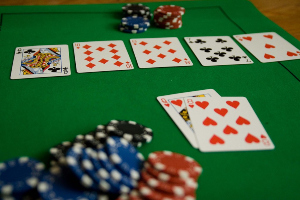
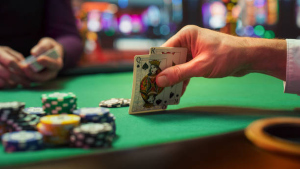
Avoid betting when you are beat.

Avoid betting when you are beat.

10. Calling when they’re beat
If you have some experience playing poker, you have surely been in a spot where you are facing a big bet on the turn or river, and you simply know you are beat.

Your hand is strong in absolute terms, the pot odds are good, and you decide to put the chips in, only to be shown the bad news.

One of the biggest things that separates big winners from break-even players is knowing when to fold the losing hand.

It may seem like these spots don’t really matter, as they go both ways, but if you are capable of folding some big hands on later streets correctly, your win-rate will skyrocket.

9. Not bluffing enough
Perhaps the biggest leak most poker players have is that they don’t bluff enough. This may seem like the opposite of what you are seeing in your games, but it really isn’t.

At first glance, it may seem like most players bluff all the time, but that’s not actually true. What they do instead is make weak attempts at bluffing, such as firing a single barrel on the flop, before giving up on the bluff.

If you want to be a truly elite poker player, you have to understand the power of continued pressure and bluffs that continue across multiple streets.

What many good poker players forget is that a poker hand is a story you are telling your opponents. If your story is that you are strong on the flop, you have to keep telling it on the turn and river as well.

The best players in the world don’t give up on their bluffs, and they build a plan for how they will play all three streets the moment the flop is dealt. This often includes firing a multi-barrel bluff, which is the only way to get players to fold strong hands.

8. Overvaluing marginal hands
Hands like top pair with top kicker or an overpair can be powerful in Texas Hold’em, but they are also the hands that most often get you stacked.

There is a ton of value in flopping top pair in this game, and hands like AA and KK often end up winning big pots at showdown, but it’s important to be careful with them if you get too much action.

Many experienced poker players still get “married” to their Aces, and never fold such hands regardless of the action, even when playing on soft poker sites. This can be a big mistake and a major leak in your game.

Every time you play a poker hand, you should try to determine your opponent’s range and think about how your hand does against that range.

In some situations, your top pair or overpair may look like the nuts after such analysis, while in others, such hands will be worth very little.

The next time you hold a marginal hand like one pair in a big pot, make sure to give it enough thought and consider folding if the board texture and your opponent’s actions warrant it.

This may not be as important when you play in tough online games where opponents are always capable of having a bluff, but it is essential in live poker and low-stakes poker games.

If you are trying to build up a poker bankroll, simply remember that your opponents won’t have enough bluffs when they make big bets, and be ready to fold some monsters when the time is right.

7. Neglecting table image
The table image is a very important factor in any poker game, especially if you are playing in a live setting. Live poker players put a lot of value into their reads, and their perception of you is very important.

Being aware of your table image and how players perceive you can dramatically increase the edge you have in the game, as it allows you to be more aware of what others are doing against you.

For example, if you have a very tight table image, you may get away with bluffing in situations that other players never could.

On the flip side of things, if your table image is one of a maniac, you need to play tighter and make more value bets, as other players are more likely to call you down.

Players who neglect their table image often make plays that are almost guaranteed not to work, simply because they fail to look at the situation through their opponent’s eyes.

6. Playing on autopilot
Once they have played enough hands of poker, many players get to a point where they feel like they know the right answer to every question without even thinking about it.

This leads to what’s known as playing on autopilot, a situation where a player plays the hands without putting any second thought into their decisions.

Experienced poker players can indeed make many right plays intuitively, but if you start playing too automatically, you are guaranteed to miss value.

Playing on autopilot often leads to missing the small edges that could be gained by paying more attention and being more present in your hands.

A more thoughtful approach may allow you to make some big folds against tight opponents, pick off some extra bluffs from maniacs, or win a few extra hands that other players aren’t interested in.

Playing on autopilot is especially frequent in online poker games, where players fire up many games at the same time and play like a robot, minimizing the edge they have in the games.

5. Not paying enough attention to position
Poker position is one of the most important elements of any poker strategy. Playing good poker means being aware of your position in relation to your opponents at all times.

One of the biggest signs of overconfidence in poker is playing too many hands out of position and ignoring position altogether.

As your poker skill grows, you will be tempted to play more hands, assuming you have an advantage against your opponent/s postflop.

While this may often be the case, your skill advantage isn’t enough to compensate for the positional disadvantage in every case.

Every time you play a poker hand, take a moment to consider your position and how it may impact your long-term EV with the hand you are holding before putting any chips into the pot.

4. Taking too many shots
Regardless of your poker skills, bankroll management is one of the most important things every poker player has to master.

Many good poker players take a relaxed approach to bankroll management, often taking too many shots at higher stakes, which can be detrimental.

Not only does playing too high often cost a big portion of your bankroll, but it can also affect your mental game quite a bit.

If you find yourself in situations where you build up some bankroll, only to give it up in a single session quite often, consider taking fewer shots and playing more consistent stakes.

The only path to real success in poker is patience and consistency, which is why you should avoid taking shots altogether and only move up the stakes when you have the bankroll to afford it.

3. Not adjusting to the table
Every poker game is different, and while trying to mimic a GTO poker strategy may be enough to win in any game, playing in exploitative ways is the only way to truly crush.

Adjusting to the game you are in is extremely important in poker, especially when you play in a live poker setting.

Live poker games tend to be extremely soft, and the players in them have weaknesses that can be exploited to no end if you know how to do it.

Many professional poker players fall into the trap of playing too automatically and robotically, and they forget to adjust their game to the particular opponents they are up against.

By playing the same way against everyone, you may cost yourself a lot of money, as you fail to extract maximum value from the calling stations, bluff the maniacs, and call down the nits.
The next time you play, keep your eyes open, realize who you are up against, and make the appropriate plays against the specific opponents you are playing.

2. Playing too fancy
Poker can be a remarkably simple game at times.

Poker can be a remarkably simple game at times.

Poker can be a remarkably simple game at times. Playing a simple strategy and sticking to your ranges is often enough to crush an average poker table.

Yet, skilled poker players often feel like they need to make things happen by force, and that just playing their cards the right way isn’t enough.

This can lead to players trying silly bluffs that are unlikely to work, making hero calls in spots where such calls aren’t warranted, and generally playing way too fancy.

The truth is that fancy plays work far less often than you would want them to, and playing a solid poker strategy is almost always the right way to go.

The next time you think about pulling a crazy bluff in a 4-way pot, simply remember that a better spot will come up soon, and that you don’t need to punt off a whole stack with air yet again.

1. Tilt control
Tilt is one of the greatest enemies any poker player can have, and one that is ever-present in most players’ lives.

Tilt can manifest in many different ways, and every poker player tilts a different way. Some players start playing too loose, others tighten up and play scared, while some change their entire strategy in unrecognizable ways.

Regardless of how they tilt, most good poker players still do, and this tends to cost them a lot when they encounter losing streaks.

Learning how to control tilt and stay sharp in the face of adversity is one of the key skills that truly elite poker players have mastered, while those stuck at mid-stakes often have yet to learn.

Back to Strategy

open/closeTop Poker Columns


PokerZone is owned by Casino City, an independent directory and information service not affiliated with any casino. Warning: You must ensure you meet all age and other regulatory requirements before entering a casino or placing a wager. There are hundreds of jurisdictions in the world with Internet access and hundreds of different games and gambling opportunities available on the Internet. Do not assume that Internet gaming sites are in compliance with the rules and regulations of every jurisdiction from which they accept players. YOU are responsible for determining if it is legal for YOU to play any particular game or place any particular wager under the laws of the jurisdiction where you are located.